- 29th Infantry Division
- 35th Infantry Division
- Accessibility
- Blog Posts Archive
- Bodmin at War as You’ve Never Seen Before
- Bodmin Keep
- Bodmin Keep Trustee Information Pack
- Cadet Navigation Day Disclaimer
- Captain John Kerner
- Contact Us
- Corporal Neville William Hutchinson (Bill)
- Crowdfunder Prize Draw Terms and Conditions
- FIGHTING FOR OUR FUTURE
- Francis Kearney
- History of the Museum
- About Us
- Exhibitions
- 1857 and the Siege of Lucknow
- Bodmin in the Second World War
- Care & Repair
- Coastal Fortifications of the Second World War
- Dealing With Disaster
- Exhibition: Cornwall’s Citizen Army
- Souvenirs and Spoils
- Suited & Booted
- The JSSL – A ‘School for Spies’
- The Trench at Bodmin Keep
- Alfred Charles Sambrook
- Frederic Hillersdon (Ben) Keeling.
- John Henry Lawrance 2ND LIEUTENANT, C CO, 1ST BATTALION DCLI
- Major Arthur William Hammans
- Private George Mills Private 18606 2nd Battalion DCLI
- Richard Thomas Bawden
- The Trench Bodmin – Gallery
- Thomas Edward Rendle V.C.
- Thomas Hanwright
- Thomas Richard Stokoe
- William Alexander Stanhope Forbes 2nd Lieutenant. 3rd D.C.L.I.
- William Henry Parrish Private 19514
- Trauma to Treatment
- Voices of the Light Infantry
- Frontiers of Fashion
- Our Collection
- Research
- Room Hire
- Second World War Project
- The Duke of Cornwall’s Light Infantry (DCLI)
- The History of Walker Lines Second World War Military Camp
- Shopping
- HOW TO SUPPORT THE MUSEUM
- Job Vacancies
- Learning videos
- News
- Page List
- Podcasts
- Privacy Policy
- Resources for older people and care settings
- Sample page
- School Visits
- Second Lieutenant Richard Ford
- The US Army in Bodmin
- Visitor Information
- Write a letter of support
- 29th Infantry Division
- 35th Infantry Division
- Accessibility
- Blog Posts Archive
- Bodmin at War as You’ve Never Seen Before
- Bodmin Keep
- Bodmin Keep Trustee Information Pack
- Cadet Navigation Day Disclaimer
- Captain John Kerner
- Contact Us
- Corporal Neville William Hutchinson (Bill)
- Crowdfunder Prize Draw Terms and Conditions
- FIGHTING FOR OUR FUTURE
- Francis Kearney
- History of the Museum
- About Us
- Exhibitions
- 1857 and the Siege of Lucknow
- Bodmin in the Second World War
- Care & Repair
- Coastal Fortifications of the Second World War
- Dealing With Disaster
- Exhibition: Cornwall’s Citizen Army
- Souvenirs and Spoils
- Suited & Booted
- The JSSL – A ‘School for Spies’
- The Trench at Bodmin Keep
- Alfred Charles Sambrook
- Frederic Hillersdon (Ben) Keeling.
- John Henry Lawrance 2ND LIEUTENANT, C CO, 1ST BATTALION DCLI
- Major Arthur William Hammans
- Private George Mills Private 18606 2nd Battalion DCLI
- Richard Thomas Bawden
- The Trench Bodmin – Gallery
- Thomas Edward Rendle V.C.
- Thomas Hanwright
- Thomas Richard Stokoe
- William Alexander Stanhope Forbes 2nd Lieutenant. 3rd D.C.L.I.
- William Henry Parrish Private 19514
- Trauma to Treatment
- Voices of the Light Infantry
- Frontiers of Fashion
- Our Collection
- Research
- Room Hire
- Second World War Project
- The Duke of Cornwall’s Light Infantry (DCLI)
- The History of Walker Lines Second World War Military Camp
- Shopping
- HOW TO SUPPORT THE MUSEUM
- Job Vacancies
- Learning videos
- News
- Page List
- Podcasts
- Privacy Policy
- Resources for older people and care settings
- Sample page
- School Visits
- Second Lieutenant Richard Ford
- The US Army in Bodmin
- Visitor Information
- Write a letter of support

29th Infantry Division
The 29th Infantry Division (29th ID), also known as the ‘Blue and Gray Division’, is an infantry division of the United States Army based in Fort Belvoir, Virginia. It is currently a formation of the...

35th Infantry Division
The 35th Infantry Division, formerly known as the 35th Division, was first organised on August 25, 1917, as a unit of the National Guard, with troops from Missouri and Kansas. It was deactivated in 1919, reconstituted in 1935 and...
Blog Posts Archive
[contact-form-7 id="15168" title="MailChimp Signup"]

Bodmin at War as You've Never Seen Before
A professional press photographer, Mr Ellis moved to Cornwall from London at the outbreak of the Second World War. From 1939 until the late 1970s, he dedicated much of his life to documenting various news stories and community events right across Cornwall...

Our Regiments
The museum’s collections tell the stories of the 32nd and 46th of Foot, the Duke of Cornwall’s Light Infantry (DCLI) and the Light Infantry (LI) regiments. The DCLI and LI no longer exist operationally but are very much alive for the soldiers, off...

The DCLI - A Brief History
The Duke of Cornwall's Light Infantry (DCLI) was a light infantry regiment of the British Army which existed from 1881 to 1959.The regiment was created on 1 July 1881 by the merger of the 32nd (Cornwall Light Infantry) Regiment of Foot and the 46th (South...

The Light Infantry
Welcome to the Light Infantry section of our website. Click on any of the links below to find out more.

History of the Light Infantry
The Light Infantry was formed on 10 July 1968 from the four regular Light Infantry Battalions of The Somerset and Cornwall Light Infantry (SCLI), The Kings Own Yorkshire Light Infantry (KOYLI), The King’s Shropshire Light Infantry (KSLI) and The Durham L...
LI Museum Roll of Honour
We rely on support from many individuals and organisations to enable us to do our work.
This page lists the LI people who support the Regiment's Heritage through regular giving. Thank you all - your support means a great deal to us!
You...


Light Infantry Galleries
On this page you can find out about our Light Infantry Galleries and some of the star objects in the collection. The Light Infantry museum collection and archive has been at Bodmin since its move from Winchester in 2009. The extensive galleries...

Light Infantry Links
To find out more about the Light Infantry, visit: http://www.lightinfantry.co.uk/
If you would like to find out more about other Army Museums in the UK, a good place to start is the website of the Army Museums Ogilby Trust (AMOT) http://www.armymuseums.org.uk/...
Contact Us
If you'd like to contact us please use the contact form or find our contact details below.
If you have a research enquiry, please visit our 'Research' page for further information before contacting us.

Crowdfunder Prize Draw Terms and Conditions
The Prize
Enter our prize draw to win an awesome test drive of a Ferret Mark II Scout Car at Davidstow in Cornwall on a former Second World War airfield.
Before you test drive, you’ll receive a 30-minute lesson with an expert instructor by y...

FIGHTING FOR OUR FUTURE
The Keep is a Unique Part of Cornwall’s Heritage. Join us in our fight to save it for future generations.
In August 2024 structural problems requiring urgent repair were discovered and the building was closed to the public, leaving the museum w...

Become a Volunteer
Be Part of Bodmin's Heritage and Join the Friendly Team at the Keep.
We are a museum in the historic old army keep in Bodmin, sharing the stories of courage and bravery in the original home of Cornwall's army, where thousands of men from the county,...

Leave a Gift in Your Will
Leaving a gift to the museum in your Will is a great way to help secure its long-term future.
Every penny from gifts received goes towards securing the future of the museum, caring for its collections and telling soldiers' stories.
Every...

History of the Museum
Bodmin Keep is over 160 years old and is the historic home of the Army in Cornwall. This former headquarters of the Duke of Cornwall's Light Infantry houses the museum, with more than three hundred years of military history, a library and meeting...
About Us
The museum and its collections have been developed over many years by dedicated people, with the support of many funding bodies. The museum stands as a testament to our soldiers, their families and communities. Looking to the future, our vision is to...

Exhibitions
The museum holds exhibitions each year to bring the collection to life and tell new stories. These exhibitions are often curated by people from the community, bringing fresh, and sometimes challenging, perspectives and insights.
We aim to...

1857 and the Siege of Lucknow
https://www.youtube.com/watch?v=-AvymnUL3Pg
1857 and the siege of Lucknow were a turning point for British colonialism in India. Up until this point, the British East India Company, a trading company, had taken control of large parts of the...

Ending the Siege of Lucknow
Sir Colin Campbell
On 14 November 1857, Sir Colin Campbell and his 4,500 men advanced on Lucknow. They flanked the rebels from the east and were supported by attacks from those trapped within Lucknow. Eventually Campbell reached the Residency...

Life under Siege
Lady Julia Inglis
Around 3,000 British and Indian soldiers and civilians were trapped in Lucknow under siege. During this time, Lady Julia Inglis and Mrs Adelaide Case kept diaries. They were married to Brigadier John Inglis and Colonel William...

Mutiny, Rebellion or War of Independence?
“Is it a military mutiny, or is it a national revolt? Is the conduct of the troops the consequence of a sudden impulse, or is it the result of an organized conspiracy?”
Mr Benjamin Disraeli, former Prime Minister, MP for Buckinghamshire in ...

The British Empire in India
In 1600 a group of London merchants founded the East India Company to profit from the sale of Southeast Asian goods including spices, silk and indigo. They travelled to the region we now call India and competed against other European companies for land...

The First Relief
Adjutant General Henry Havelock
Adjutant General Henry Havelock had recently led a recapture of Cawnpore (Kanpur) 48 miles from Lucknow. His men were exhausted and were only strong enough to march to Lucknow when Lieutenant General James Outram...

The Legacy of Rebellion
By late March 1858, the British and their Indian allies had regained control of Lucknow. By June 1858, they had forced the majority of rebel groups to surrender.
In the aftermath, several political changes were made to try and ensure that an...

What Caused the Rebellion?
There were many reasons why the Indian soldiers rebelled and why they were joined by Indian nobles and civilians. As the British East India Company took control, they introduced various political, economic, and religious changes. They were aware that...

What happened at Cawnpore?
In 1857, several massacres took place at Cawnpore (Kanpur), a city in northern India, 48 miles from Lucknow. British and Indian soldiers were responsible for the torture and killing of soldiers and civilians.
The Siege of Cawnpore
On 5...

What happened at Lucknow?
On 30 May 1857, rebellion broke out in the city of Lucknow as Indian soldiers targeted British officers and set fire to their bungalows. In the chaos, many civilians fled to the centre of the city. They took refuge in and around the British Residency....

Bodmin in the Second World War
Bodmin, like all towns was hugely affected by the impact of the Second World War, both from a military and civilian perspective. This photography exhibition gives an insight into life at this time.
From the departure of the Regiment for...


Dealing With Disaster
Exploring the British Army's role in disaster relief
https://www.youtube.com/watch?v=7ebW5NHZdwA
The ‘Dealing with Disaster’ exhibition investigates one of the four core roles of the British Army, to Deal with Disaster and how they deal wit...


Souvenirs and Spoils
How do we create, collect and display objects to remember
our history? What can souvenirs and war trophies tell us about the experiences
of the Duke of Cornwall’s Light Infantry (DCLI) and Light Infantry (LI)
regiments deployed abroad? This exhibition e...

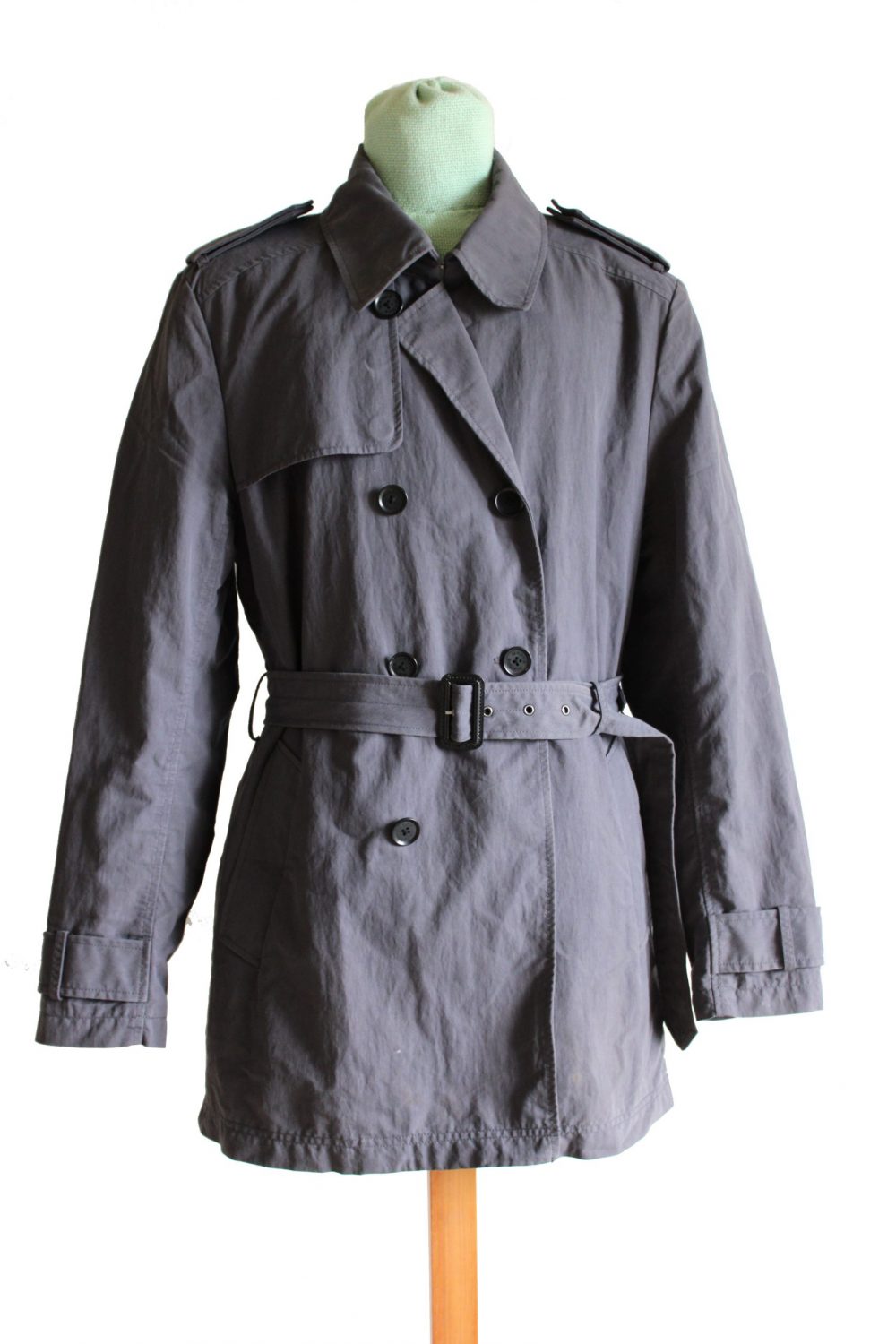
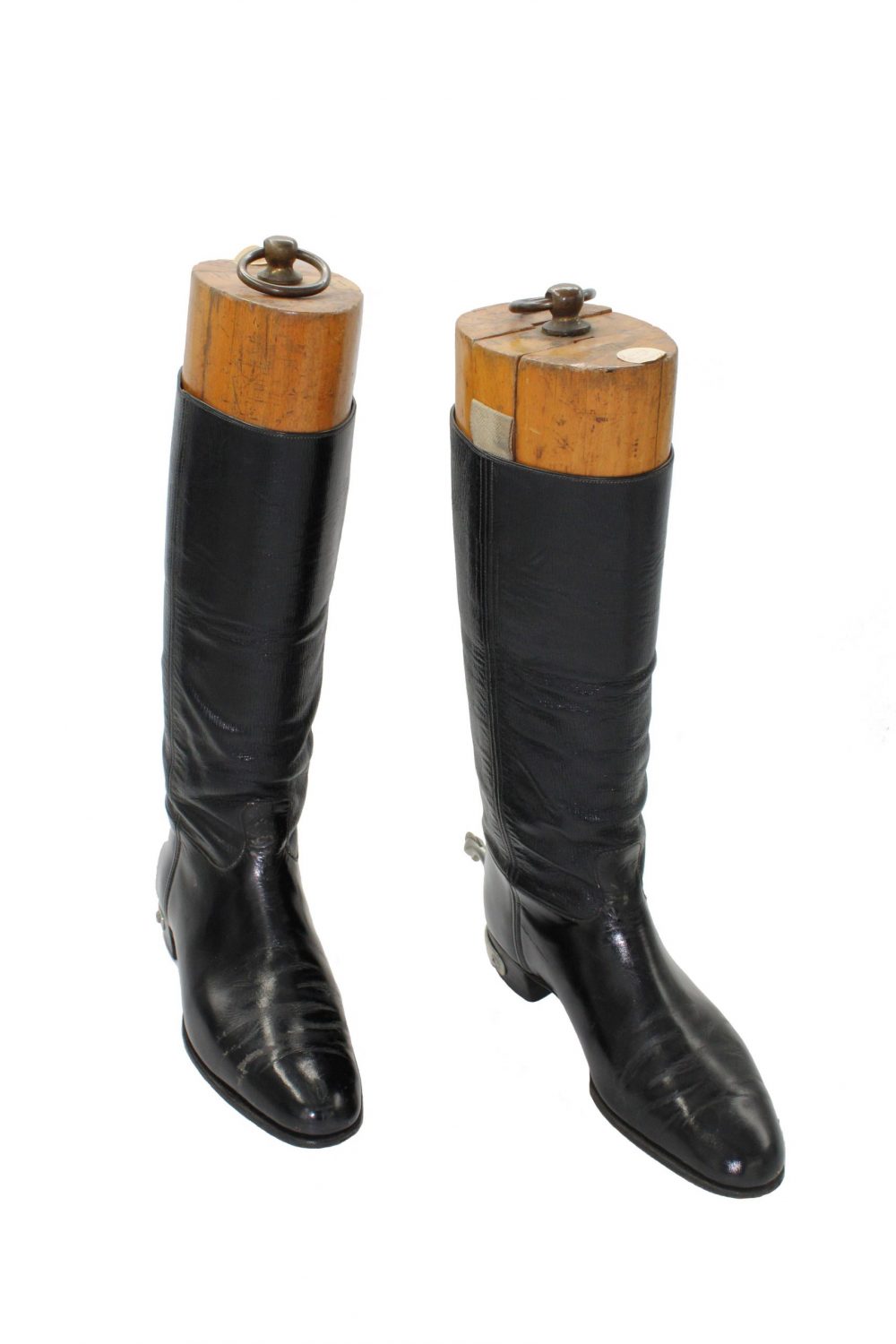
Suited & Booted
A History of the Design and Wear of Military Uniform
https://www.youtube.com/watch?v=yJup2dMDiao
The exhibition, ‘Suited and Booted’ tells a history of the design and wear of military uniform. It builds on the common narrative in military uni...

The JSSL - A 'School for Spies'
What was the Joint Services School for Linguists?
In 1951 the abandoned World War 2 Walker Lines military camp in Bodmin, which had been the base for US troops leading up to D-Day in 1944, suddenly became alive with activity again. Because of...

The Trench at Bodmin Keep
The Trench - Commemorating the Centenary of World War 1
"We thought the whole production was excellent and the whole ‘experience’ from 'enlisting' to the review of soldiers and exhibition at the end was excellent. The acting was superb and a m...

Alfred Charles Sambrook
Alfred Charles Sambrook was the third of the six sons and five daughters of Henry and Sarah Sambrook of Limehouse, London. His eldest brother, Henry, served with the Royal Artillery and is assumed to have survived the First World War. Alfred was born...

Frederic Hillersdon (Ben) Keeling.
The eldest son of Frederic John Keeling, a solicitor of Colchester and Alice Keeling, nee Chapman was born in Colchester on 23rd March 1886. He had one younger brother Guy William Keeling born in 1890. Both sons attended Bigshotte Rayles Preparatory Boarding...
John Henry Lawrance 2ND LIEUTENANT, C CO, 1ST BATTALION DCLI
John Henry Lawrance was born at Paddington, London in 1897 to Walter Edward (died 1954) and Harriet Alice Lawrance nee Pye.
The couple had three children John Henry b.1897, Leonard Walter b. 1901 and Violet Edna b.1903. They lived in Paddington and had...

Major Arthur William Hammans
Arthur William Hammans was born around the end on 1845 in Marcham, Berkshire to James Hammans and Jane Spencer who had married in 1844. Not a lot is known about the family but Arthur can be traced back to an online obituary at Westminster School...

Private George Mills Private 18606 2nd Battalion DCLI
George Mills, the son of Mrs Pilling of 142 Mortlake Road, was born in East London in 1894. George volunteered for enlistment into the Duke of Cornwall’s Light Infantry on the 24th February 1915. Little is known of his background except that he was b...

Richard Thomas Bawden
Richard was born in Chasewater, Cornwall in 1895, the only son of Richard Henry Bawden and Emily Prior. He had three sisters, Cecelia born in 18925, Lottie in 1897 and Lilian Maude in 1900. Richard left the village school at the age of 14. In the 1911...

The Trench Bodmin - Gallery
" template="/www/wp-content/plugins/nextgen-gallery/products/photocrati_nextgen/modules/ngglegacy/view/gallery-caption.php" order_by="sortorder" order_direction="ASC" returns="included" maximum_entity_count="500"]

Thomas Edward Rendle V.C.
Thomas Edward Rendle, was born on the 14 December 1884, in Bedminster, Bristol, the eldest of the seven children of James Rendle, a paper merchant’s packer, and Charlotte Rendle, a domestic servant. His mother died in 1898, at which time his father w...

Thomas Hanwright
Thomas Hanwright was the third of the four sons and two daughters of Joseph and Minnie Hanwright of West Ham, Essex (today situated in London). His older brother, Joseph, served in the Royal West Kent Regiment, 1st Battalion from 1902 and survived the...

Thomas Richard Stokoe
Thomas Richard Stokoe was born on the 5th May 1872 to Richard and Fanny Stokoe in India. His parents Richard Stokoe and Fanny Weichbrodt married in the Hampstead area of London after banns were read in the June & July of that year. Fanny was born...

William Alexander Stanhope Forbes 2nd Lieutenant. 3rd D.C.L.I.
The only son of renowned artists Stanhope and Elizabeth Forbes, ‘Alec’ was born in Newlyn on May 26th 1893. Much of his idyllic childhood was spent in the exhilarating company of young artists who shared his love of exploring the wild, rugged natural lan...

William Henry Parrish Private 19514
William Henry Parrish, born on the 17th of August 1897 in Wanstead, Essex, was the eldest son of ten children. His parents, Elizabeth Emily Parrish (nee Saunders) married William Parrish, a labourer, in June 1896 at The Parish Church of Leyton.1 Unfortunately,...

Trauma to Treatment
“It would seem to be a more rational question to ask why the soldier does not succumb to anxiety, rather than why he does."
- Psychiatrists Grinker & Speigel, 1945
https://youtu.be/sXfCbqhw0y8
War leaves mental scars as well as p...

19th Century
Introduction
In the 19th century, the psychological impact of battle was not well understood. Many soldiers suffering from mental trauma could not receive the treatment they needed. Yet some pioneering doctors and nurses treated the mind as well...
Disordered Action of the Heart in the Boer Wars
Doctors in the 19th and early 20th centuries did not always believe that wartime trauma affected the mind. Some believed that their patients had a problem with their central nervous system or their organs. This was particularly true when patients experienced...

Treatment
The British Army medical services set up a ‘Lunatic’ hospital at Fort Pitt in Chatham, Kent in 1847. Many of the servicemen who were admitted were arriving from postings in India and other tropical areas. Medical Officer Luke Barron proposed that the...

Mental Healthcare Today
Military personnel put their minds as well as their bodies at risk. These are some of the most common mental health conditions that they might experience during or after their service.
Click on the images below to explore more
Common Conditions...

Modern Warfare
The past few decades have brought a greater understanding of the psychological consequences of war, and of what might threaten the mental health of service personnel.
Click on the images below to explore more
1980
New Threats...

Not Just Another Brick in the Wall
The ‘Not Just Another Brick in the Wall’ project raised awareness of post-traumatic stress disorder in the military. A community of ex-service personnel, friends, and family came together to march, raise money, and commemorate those who lost their liv...

Treatment in First World War
The First World War transformed our understanding of how war impacts the mind. Psychiatric casualties were seen on a mass scale and with a severity that medics were completely unfamiliar with. Military leaders started to pay more attention to the work...

World War Two
Far less is understood about the impact of World War Two (WWII) on people's mental health in comparison to World War One (WWI). There were still huge numbers of psychiatric casualties, but new systems were put in place to quickly return traumatised soldiers...

Voices of the Light Infantry
The Light Infantry regiment existed between 1968 and 2007 and many ex-servicemen from the regiment are still part of our museum's community. Each year the museum hosts the annual reunion of the Cornwall Light Infantry Association and a large part...

Frontiers of Fashion
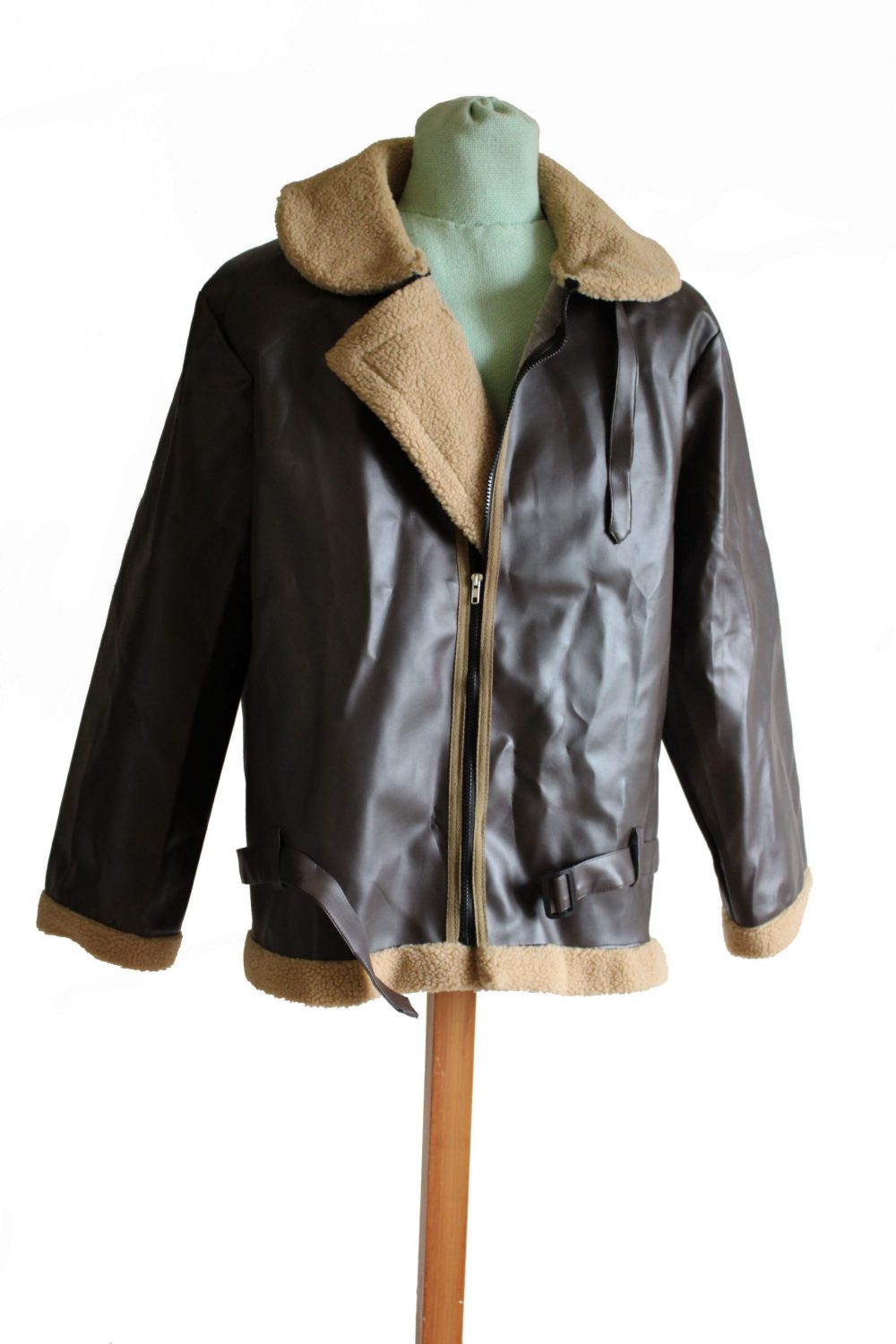
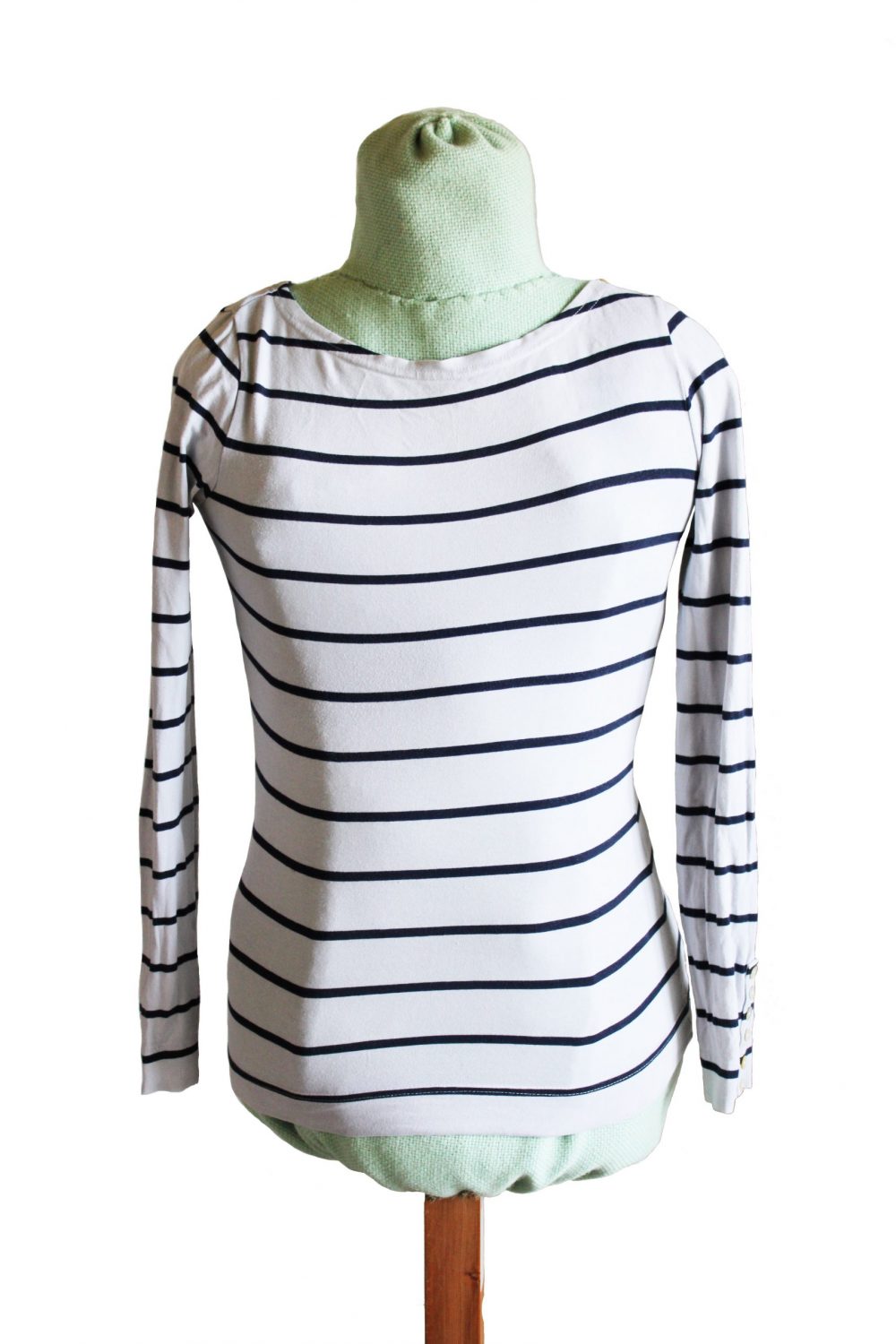
This exhibition looks at the circular relationship between military and civilian clothing where each borrow elements from the other. Over time military uniforms have moved from glamour to practicality due to changes in warfare and technology. We have...



Our Collection
Please note, Bodmin Keep is in need of structural repair and Cornwall's Army Museum is temporarily closed. Please contact us by email if you have any queries about the collection.
The museum has a large collection of over 12,000 items, most of which...

Mapping Cornwall's DCLI Collections
While we hold the largest collection of objects and archives relating to the Duke of Cornwall's Light Infantry (DCLI), we're aware that there are many other places across the County that have material relating to the Regiment. So, to help researchers...


Research
The museum is an important resource for researchers with an interest in the Duke of Cornwall’s Light Infantry and the Light Infantry. We have a large library and archive and research at the museum is conducted by staff and knowledgeable volunteers with a...

Room Hire
Our comfortable and accessible meeting room, The Serjeants' Mess, is available for business meetings, lectures, training and community use.
There is high-speed wifi, a projector screen and a kitchen adjacent if required.
Please contact us on info@bodminkeep.org...

Second World War Project
We are delighted to have worked in partnership with The Museum of Cornish Life at Helston throughout 2021 on a national project developed by Imperial War Museums (IWM). This project saw both museums delivering a range of projects that uncovered lesser-known...

The Duke of Cornwall's Light Infantry (DCLI)
From the men fighting with the territorial 5th Battalion in Normandy, to the Depot Staff based here at Bodmin Keep; as a regiment of the British Army, the Duke of Cornwall’s Light Infantry played a significant role during the Second World War.
...

The Duke of Cornwall's Light Infantry - 1st Battalion
If any one military episode can be used to demonstrate the muddle and confusion of the British High Command during the first half of the Second World War, it is the unfortunate fate of the 1st Battalion of the Duke of Cornwall's Light Infantry.

The Duke of Cornwall's Light Infantry - 2nd Battalion
The order for the 2nd Battalion of the DCLI to mobilise came at 10:20 on September 1st, 1939. By 1st October, the entire Battalion had landed in France. After being evacuated from Dunkirk in 1940, the 2nd spent around three years in Britain before it...

The Duke of Cornwall's Light Infantry - 30th Battalion
The 30th Battalion remains a rather unknown detachment of the Duke of Cornwall's Light Infantry. From guarding significant locations at home in Cornwall, to dealing with prisoner's of war overseas, read on to learn more about the 30th Battalion of the...
The Duke of Cornwall's Light Infantry - 5th Battalion
During the Second World War, the 5th were a volunteer battalion, part of the Territorial Army - a part time component of the British Army. Despite this, the men landed in Normandy in late June 1944, going on to fight their way across North-West...

The History of Walker Lines Second World War Military Camp
Today to the untutored eye, Walker Lines looks like any other industrial estate, but look more closely, and you will see the clues to its fascinating history.
First constructed in 1939 as a Second World War military camp, Walker Lines got its...

Shopping
Our Gift Shop is FREE to visit and sells gifts, souvenirs, toys, books and cards for all ages. By shopping at the museum you are helping us continue to provide our community, educational, and research offers.
The Gift Shop is on the first floor...

HOW TO SUPPORT THE MUSEUM
Bodmin Keep relies on the generosity of supporters to fulfil its purpose as a educational charity and care for its collection and archives. Every penny raised from gifts and donations helps to secure the future of the museum.
Donate to...


Podcasts
Welcome to Bodmin Keep War Stories!
A podcast series where we tell the intriguing and surprising stories behind the collection at Bodmin Keep.
Find out how ordinary soldiers played their part in some of the biggest conflicts of the last century,...

Privacy Policy
Introduction This privacy policy explains how we use any personal information we collect about you when you use our website, engage with the Museum, or attend one of our events.
1. Your personal data: the legal basis and what we collect We will need...
Resources for older people and care settings
New Resources
Download our Dig for Victory and 1940s Styling activity booklets which complement our loans boxes. They're full of creative ideas and useful for prompting conversation.
Dig-For-Victory-ActivityBooklet-compressed Download...
School Visits
We love welcoming schools to Bodmin Keep
Learning about heritage in an out-of-classroom environment is invaluable and can really make a subject come alive for the pupils.
Our museum is jam-packed with fascinating artefacts and stories,...


Young Curators
Young Curators is our programme for getting young people involved in the museum. By joining Young Curators, young people can become part of the museum team, develop their creativity, collaborative skills and knowledge, working together on events and activities...

The US Army in Bodmin
Almost immediately following America’s decision to join the Second World War in December 1941, American and British leaders began planning the tremendous operation of transporting 1.6 million men and their equipment to Britain, providing them with s...
Visitor Information
Plan your journey, find our opening times, admission prices and accessibility information here! Simply scroll down the page to find the information you need.
Check out our easy to read 'Pre-Visit Guide' if you need to prepare for your visit.
For...

What's On
function listenForEvents () {
var iframe = document.getElementById('byk-iframe')
var reo = new BeyonkEmbedded.ResizableElementObserver(window)
reo.subscribe(function (newSize) {
iframe.style.height = newSize
...

Write a letter of support
Cornwall’s Army Museum is at a critical point in its journey to renewal, and its future is in jeopardy. Without Ministry of Defence support, the Army’s 300-year story will disappear from Cornwall.
If you live in Cornwall, please write to your loc...